
REVIEW · ANTALYA OLD TOWN & KALEICI
Antalya: Kunefe Cooking Class with Local Chef in Old Town
Kunefe stops being mysterious after 90 minutes. In central Old Town Antalya, you’ll learn hands-on kunefe with a local chef in a small group, then eat it right away with tea. One catch: transportation to the kitchen isn’t included, so you’ll want to plan your own route.
What makes this class fun is the mix of technique and payoff. You’ll get step-by-step guidance on layering kadayıf, choosing the right cheese (plus what to swap if you’re not in Turkey), and controlling a low flame so the outside turns crisp while the inside stays soft and cheesy. Then you soak it with warm syrup, top it with pistachios, and sit down together—simple, warm, and very Turkey.
At $65 per person for about 1.5 hours, it’s not the cheapest thing you’ll do in Antalya. But for a limited group, instructor time, and a full dessert you make and eat, it feels like solid value—especially if you care about learning a real recipe instead of watching from afar.
In This Review
- Key things I’d prioritize before booking
- A Cozy Old Town Kitchen: What the 90 Minutes Feels Like
- What You’ll Learn First: Kunefe Origins and Regional Differences
- From Kadayıf to Cheese to Terayağı: The Ingredients That Make or Break It
- Kadayıf: the base needs to be high-quality
- Cheese: the key lesson is choosing (or substituting) correctly
- Terayağı: clarified butter is not optional
- Homemade syrup: warm timing matters
- Cooking Kunefe the Traditional Way: Low Flame, Rotation, and Heat Control
- Syrup Soak and Pistachios: The Finish That Makes It Worth It
- Why the Cultural Exchange Over Tea Feels Genuine
- Price and Value: Is $65 Worth It in Antalya?
- Who This Class Is Best For (and Who Might Skip It)
- Should You Book This Kunefe Cooking Class in Antalya?
- FAQ
- How long is the Antalya kunefe cooking class?
- What’s included in the price?
- Is transportation to the workshop included?
- What languages do the instructor(s) speak?
- Is the class suitable for children?
- Can I cancel, and what if I want to keep things flexible?
Key things I’d prioritize before booking
- Old Town Antalya, in a cozy kitchen: you’re cooking in the middle of the action, not in some far-away studio.
- A chef who teaches, not just cooks: you’ll get clear explanations in English (and Turkish support).
- Hands-on technique with a traditional round tray: the low flame method and rotation matter for the texture.
- Cheese + syrup lessons you can reuse at home: you’ll learn what to look for and how to substitute.
- Tea + conversation at the end: the class ends the right way—together, with what you made.
- Small group (max 6): enough attention that you can actually get the steps right.
More ways to wander Kaleici and old Antalya
- Antalya Luxury Old Town Tour with Cable Car & Boat Trip
★ 4.5 · 1,880 reviews - Antalya Luxury Old Town Tour with Cable Car & Boat Trip
★ 4.6 · 1,374 reviews - Antalya: Ancient Perge, Aspendos Theater & City of Side Tour
★ 4.8 · 1,237 reviews - Antalya: Old Town with Aquarium or Cable Car & Waterfalls
★ 4.6 · 1,201 reviews
A Cozy Old Town Kitchen: What the 90 Minutes Feels Like
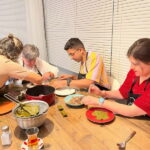
This is one of those Antalya experiences that starts quietly and turns into a mini cooking lesson you’ll actually remember. You meet in a cozy kitchen in central Old Town Antalya, where the room feels practical: counters, tools, and just enough space to work without feeling rushed.
Right away, you’re greeted with traditional Turkish tea. That sounds small, but it sets the tone. You’re not dropped into a lecture; you’re welcomed in, and then the chef moves from the story of kunefe to the hands-on steps.
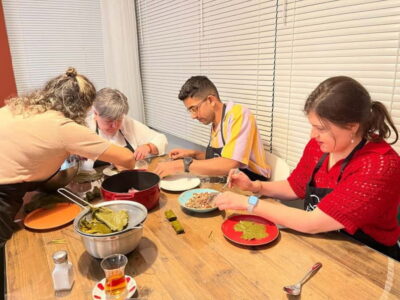
The group is limited to 6 participants. For me, that’s the difference between leaving with a vague memory and leaving with muscle memory. You’ll cook your kunefe with guidance, not just hope you watched closely enough.
The class is 1.5 hours. It’s a good length: long enough to learn the key moves (layering, heat control, syrup timing), but short enough that you’re not stuck in a kitchen all day. The downside is obvious: if you’re hoping for a slow, leisurely dinner-style experience, this isn’t that. It’s a focused workshop.
What You’ll Learn First: Kunefe Origins and Regional Differences
Before you touch ingredients, you get a short introduction to kunefe’s origins and why it matters in Turkish culinary culture. You also learn how the dessert can vary by region. That matters because kunefe isn’t just one rigid recipe. The approach—texture, cheese choice, syrup style—can shift depending on where it’s made.
This part is more than trivia. When you understand that kunefe has regional versions, you stop thinking there’s only one correct outcome. That makes the cooking steps less intimidating. You’ll hear how the essentials work together, and why the dessert has a reputation for being both crispy and melty.
You’ll also get context about the different elements of the dessert. The chef focuses on the components that actually change results: high-quality kadayıf, the right type of cheese, clarified butter (tereyağı), and homemade syrup.
From Kadayıf to Cheese to Terayağı: The Ingredients That Make or Break It
Kunefe lives or dies on texture. And texture comes from ingredients—and how you handle them.
Kadayıf: the base needs to be high-quality
You’ll learn what to look for in kadayıf, because the shredded pastry isn’t just a filler. Proper kadayıf is what gives you that signature crisp outer shell when it hits the butter and heat.
You’ll also learn how to butter and layer it. This is where people usually go wrong at home: they either under-butter and get dry results, or they pack it too tightly and don’t get the right crispness.
More Turkish cooking to try your hand at in Antalya
Cheese: the key lesson is choosing (or substituting) correctly
You’ll learn about the type of cheese used for kunefe. The class includes guidance for substitution if you’re making it outside Turkey. That’s unusually practical. A lot of cooking classes assume you can source the exact ingredient where you live. Here, you get a workaround, which makes the lesson much more usable later.
Terayağı: clarified butter is not optional
You’ll use clarified butter (tereyağı). The chef explains its role, which comes down to browning, crisping, and flavor. This is one of those moments where you’ll feel the difference between basic butter and the clarified version once you start cooking.
Homemade syrup: warm timing matters
You’ll learn about homemade syrup and how it’s used at the end. Since the dessert gets soaked, syrup timing becomes part of the technique. If it’s too hot or too cool, it changes how the top shell behaves.
Cooking Kunefe the Traditional Way: Low Flame, Rotation, and Heat Control
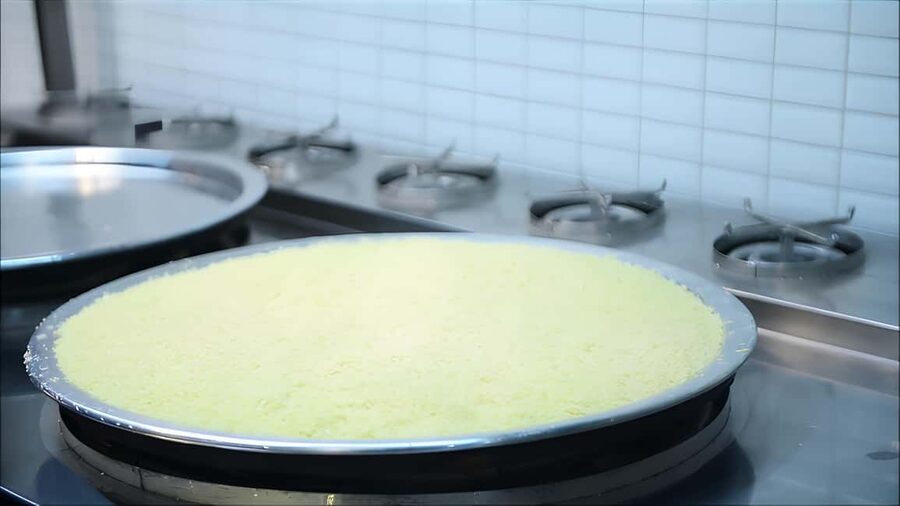
This is the part I like most because it’s hands-on and physical. You cook your kunefe on a traditional round tray over a low flame. That low heat setup isn’t just tradition for show. It helps the kadayıf turn crisp without burning fast, and it gives the cheese time to melt into that soft interior.
You’ll learn to rotate the tray and control the heat for even cooking. Rotation might sound like a minor detail, but it’s a big deal for texture. Uneven heat = patchy crispness and uneven melting.
The chef walks you through each stage:
- how to properly butter and layer the kadayıf
- how to form the structure so it cooks evenly
- how to manage the low-flame method for that crunchy outside
Expect to pay attention. This isn’t just stirring a pot. You’re actively monitoring the dessert, and the chef’s guidance helps you understand what you’re seeing.
One practical note: you’re cooking something that involves hot butter and syrup later, so your kitchen experience will be warm and a little chaotic in the best way. If you don’t like being close to heat and mess, you might find it stressful. If you enjoy cooking, it’s part of the fun.
Syrup Soak and Pistachios: The Finish That Makes It Worth It
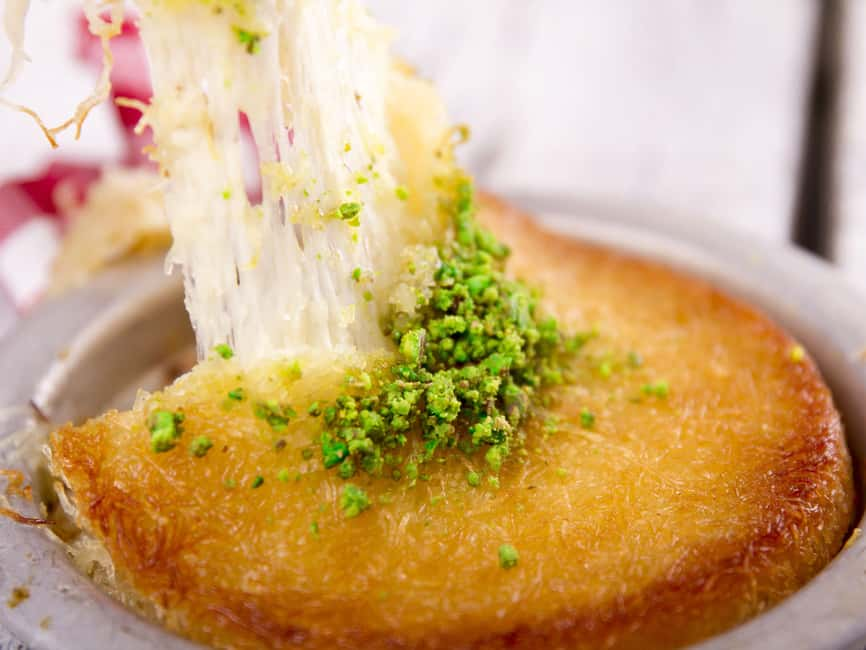
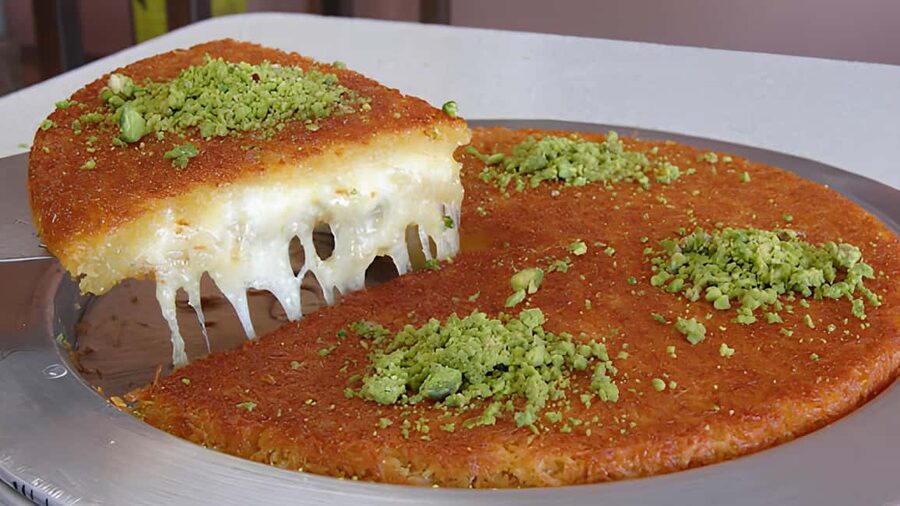
Once your kunefe is cooked, you soak it with warm syrup. This step is why kunefe is so addictive. The syrup softens and harmonizes the crisp pastry while keeping that signature contrast—crackly on the outside, melty inside.
Then comes the final touch: pistachios on top. The nuts add crunch and a nutty flavor that balances the sweetness. It’s a simple finish, but it makes a visible difference in the eating experience.
Finally, you sit down and enjoy your kunefe with tea and conversation. I like this part because it turns the class into a real social break, not a grab-and-go snack. You’ll get to taste what you made while it’s at its best.
Why the Cultural Exchange Over Tea Feels Genuine
This workshop doesn’t treat Turkish tea as an afterthought. It’s part of how the chef talks to you—an easy start, then a recipe lesson with context.
You learn about kunefe’s place in Turkish culture, and the chef’s explanations come with real teaching energy. In the experience you’ll likely feel that the focus is on sharing technique and making sure you understand what you’re doing, not just getting through steps.
A couple of earlier participants also mentioned the same local provider offering a perfume-making workshop earlier in the day. If that’s on your radar, you can turn it into a full sensory day: scent-making in the morning, dessert-making in the afternoon. The point is the same—hands-on cultural learning with local hosts.
Price and Value: Is $65 Worth It in Antalya?
$65 per person for about 1.5 hours may feel high if you compare it to a street snack. But cooking classes aren’t street snacks. You’re paying for:
- a chef instructor (English, Turkish)
- a small group capped at 6
- the ingredients and equipment used for your dessert
- the traditional cooking method and the guided technique
- the tea and the meal you create
Most people who take this kind of workshop don’t walk away with just one bite. You walk away with a recipe process you can repeat. That’s real value.
Also, you’re in central Old Town Antalya, which means you’re pairing it with the easiest kind of day travel: wander nearby streets before or after, then return to a short, focused class.
If you’re cost-sensitive, prioritize it if you love Turkish desserts, enjoy cooking, or want a food experience that feels authentic and interactive. If you’re only interested in eating kunefe and not learning, you might find a cheaper option by skipping the lesson.
Who This Class Is Best For (and Who Might Skip It)
This kunefe cooking class is a strong fit if you:
- want a hands-on Turkish cooking experience
- like learning how chefs get texture right
- enjoy desserts and pistachio-topped sweets
- prefer small groups and direct instruction
It’s not the best choice if you:
- need alcohol allowed (alcohol and drugs aren’t permitted)
- are traveling with kids under 10, because the class isn’t suitable for them
- want a long sit-down meal instead of a short workshop
Because the chef teaches in English, it’s accessible even if your Turkish is limited. But having a local host with Turkish language support can also add to the feeling of being in the real place, not in a staged demo.
Should You Book This Kunefe Cooking Class in Antalya?
Book it if you want the kind of food tour where you leave with skills, not just photos. The mix of hands-on cooking on a traditional tray, a focus on key ingredients like kadayıf and terayağı, and the ending with tea and conversation makes it feel like more than a quick tasting stop.
Skip it only if you’re strictly looking for the cheapest way to eat kunefe, or if you’d rather watch than cook. This workshop asks you to get involved—layer, manage heat, and handle the syrup finale. If that’s your style, it’s a great choice for a memorable Old Town Antalya afternoon.
FAQ
How long is the Antalya kunefe cooking class?
The class lasts 1.5 hours.
What’s included in the price?
You get traditional Turkish tea, an introduction to kunefe’s origins, hands-on kunefe preparation, cooking on a traditional round tray, and kunefe served with tea and conversation.
Is transportation to the workshop included?
No. Transportation to the workshops isn’t included.
What languages do the instructor(s) speak?
The instructor speaks English and Turkish.
Is the class suitable for children?
No. It isn’t suitable for children under 10.
Can I cancel, and what if I want to keep things flexible?
You can cancel up to 24 hours in advance for a full refund. You can also reserve now and pay later.
More Make-It-Yourself


More Turkish Kitchens
Kaleici, a Few More Turns




Fresh on the Antalya pages: more Antalya tours to browse
- Full Day Tour in Salda Lake and Pamukkale From Antalya★ 4.5 · 3 reviews
- Antalya Adventures ATV Quad Safari Tour with Roundtrip Transfer★ 5.0 · 3 reviews
- Antalya Old Town Guided Walking Tour of City Highlights★ 4.5 · 3 reviews
- Antalya: Deniz Molalı At Safarisi★ 3.0 · 3 reviews
- 2-Day Guided Cappadocia Tour from Antalya/Belek/Side/Alanya★ 4.3 · 3 reviews
Antalya Old Town & Kaleici, compared.
 ★ 4.5Old City, Waterfalls, Olympos Cable Car, BoatFrom $292,896 reviews
 ★ 4.5Antalya Luxury Old Town Tour with Cable Car & Boat TripFrom $321,880 reviews
★ 4.6Antalya Luxury Old Town Tour with Cable Car & Boat TripFrom $181,374 reviews
 ★ 4.8Ancient Perge, Aspendos Theater & City of Side TourFrom $411,237 reviews
 ★ 4.6Old Town with Aquarium or Cable Car & WaterfallsFrom $291,201 reviews
 ★ 4.5City Tour with Boat Trip, Old Town & WaterfallsFrom $45700 reviews
 ★ 4.6Kekova Sunken City, Demre & Lycia Day TourFrom $80680 reviews
 ★ 4.6Guided Old Town Tour with Boat Trip and LunchFrom $8665 reviews
Browse the lists this tour appears in